Studio News
Designing Wellness Retreats for the Australian Landscape
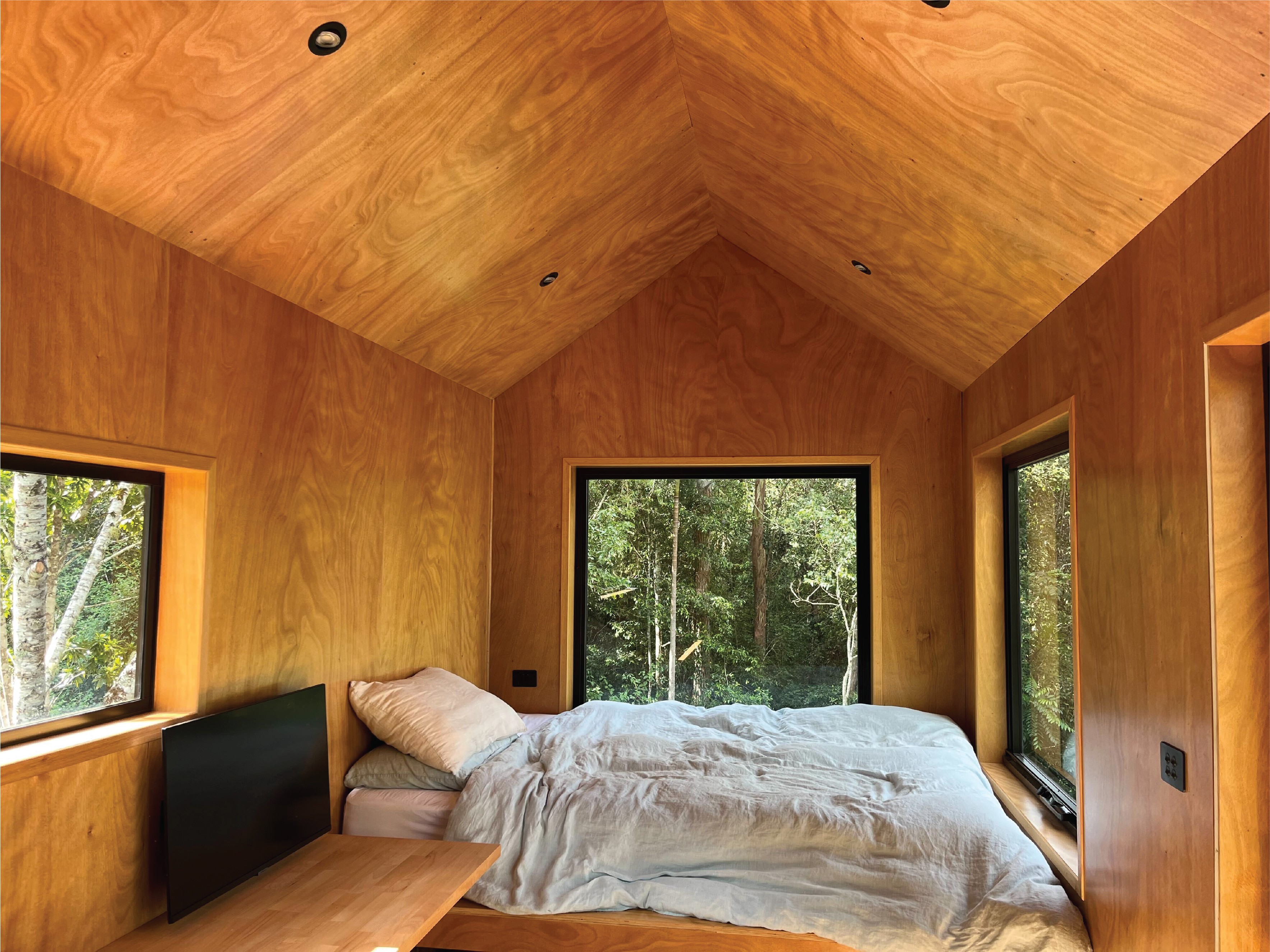
Australia’s landscape is as diverse as it is breathtaking — from salt‑swept coastlines and rainforest valleys to the red dust heart of the continent. Building a wellness retreat here isn’t just about placing structures in beautiful locations. It’s about listening to the land, respecting its rhythms, and creating spaces that feel like they belong.
At TMPL, every project starts with the same question: how can we design for harmony between people and place?
Why Place Matters in Wellness Design
A retreat’s power lies in its setting. Guests arrive seeking connection with nature — whether that’s the quiet hum of a coastal breeze or the deep silence of a desert night. The built environment should enhance that connection, not compete with it.
Designing for place means understanding climate patterns, light movement, wind channels, and the native flora and fauna. It means choosing materials that not only suit the aesthetic but also perform under the conditions.
Sustainability as the Foundation
Sustainability isn’t a feature; it’s a foundation.
TMPL’s regenerative approach ensures that for every tree we use, two more are planted and nurtured to maturity. We prioritise salvaged native hardwoods over composites, reducing environmental load while increasing material integrity.
Every wellness structure is engineered for minimal site disturbance — built modularly, transported in, and positioned with precision to preserve the ecosystem.
The Role of Modular Construction in Remote Locations
Many of Australia’s most awe‑inspiring retreat sites are also the most challenging to build in. Remote access, sensitive environments, and strict development guidelines make traditional construction costly and invasive.
TMPL solves this with modular construction. By building in controlled environments, we can deliver cabins, saunas, and onsens to site fully formed, ready to connect to utilities or operate entirely off‑grid.
This method is not only faster — it’s more respectful to the environment. No extended construction noise. No heavy earthworks. Just placement, connection, and immediate use.
Elements of a Well‑Designed Australian Retreat
1. Climate Responsiveness
Passive solar orientation, cross‑ventilation, and natural thermal insulation are essential.
2. Natural Materiality
Using timbers and stone that echo the landscape makes the retreat feel anchored in its environment.
3. Multi‑Sensory Comfort
From the warmth of cedar to the texture of tallowwood decking, every surface should engage the senses.
4. Seamless Flow Between Indoor and Outdoor
Wide openings, decks, and connecting walkways dissolve the boundary between structure and surroundings.
The Guest Experience Lens
Designing for guests means considering the entire journey — from the moment they arrive to the moment they leave.
In a TMPL‑built retreat, the cabin is more than accommodation; it’s the sanctuary where reflection, creativity, and renewal happen. The sauna isn’t just a feature — it’s a ritual. The onsen isn’t just a pool — it’s an immersion into stillness.
Case Concept: Remote Coastal Escape
Imagine a retreat set back from a wild surf beach. Three Couple Cabins face the ocean through floor‑to‑ceiling glass. A central cedar sauna overlooks a sheltered dune. A warm onsen steams under the Southern Cross.
Each structure arrived complete, set onto a pre‑prepared foundation, and was ready for guests within days — not months. The coastal ecosystem remained undisturbed. The retreat now operates at 90% occupancy year‑round.
Conclusion
Designing for the Australian landscape is a responsibility as much as it is an opportunity. TMPL’s blend of architectural design, regenerative manufacturing, and modular precision means every wellness retreat we create is as enduring as the land it rests on.